
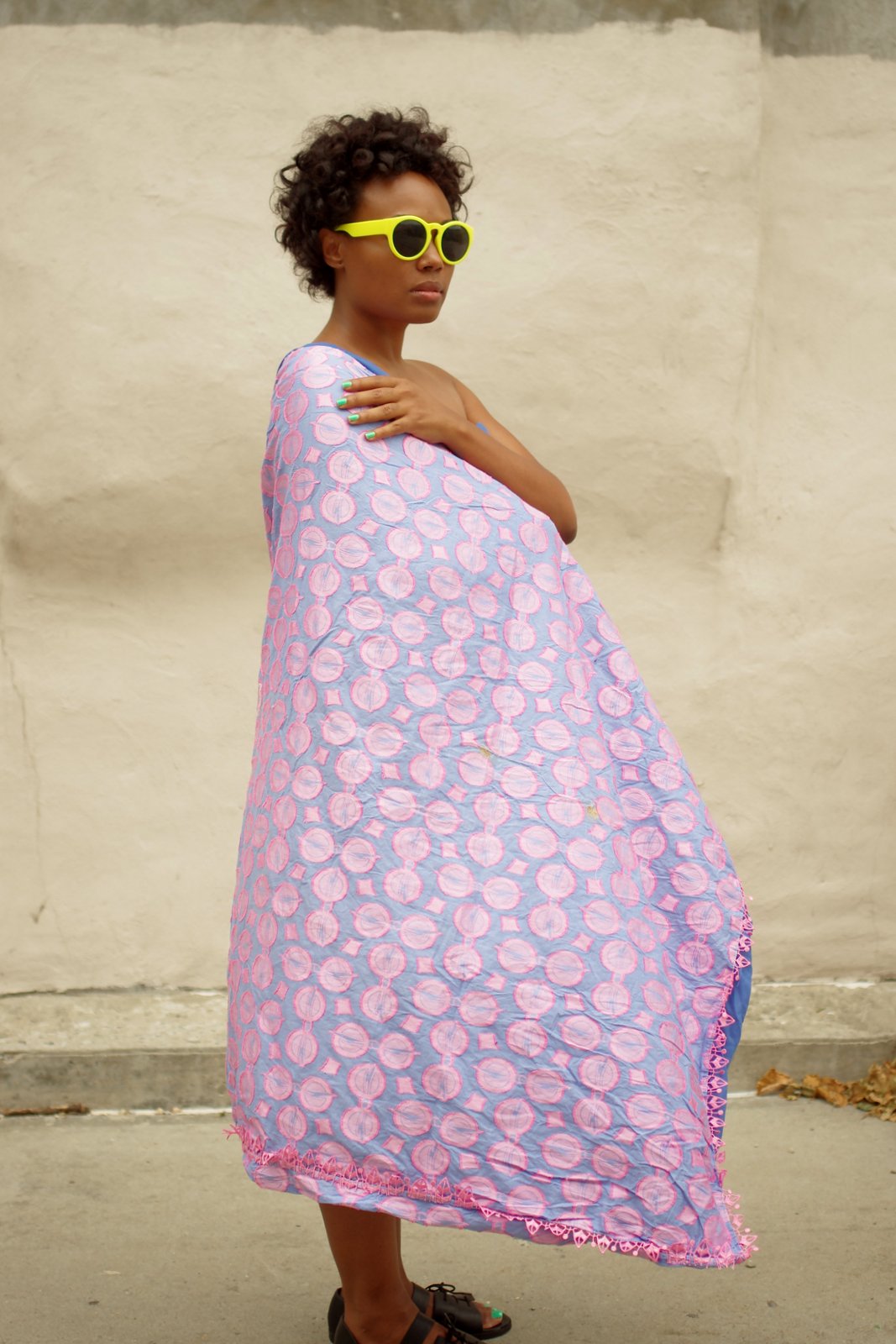
I met Kwesi Abbensetts when I was living part time in New York City. Circa 2008. At the time neither of us were parents. We had other things in common like exploring our artistry with different experimental projects. He was in the earlier days of his photography work, and I was making films and designing Miss Numa Gloves. He photographed the look book for my lace collection and we became fast friends. We both have daughters now - their birthdays are just days apart, and we both are more defined as artists, yet still trying new things as restless creatives do.
My entire last week has been full of excitement and reaping a really good crop that came from careful planting over the years. I'm glad to be in this new phase - it's a good one, and has me really appreciating my friends - from different walks of life - many in creative fields, all making really solid contributions across the board.
Kwesi wanted to do this spontaneous interview with me on a lazy Sunday last summer. I giggled through most of it - but he got me to open up - like good friends do about a host of things. Here it is - if you please, thoughts on mother hood, the meaning of life, and what I really think about the term "black artist."
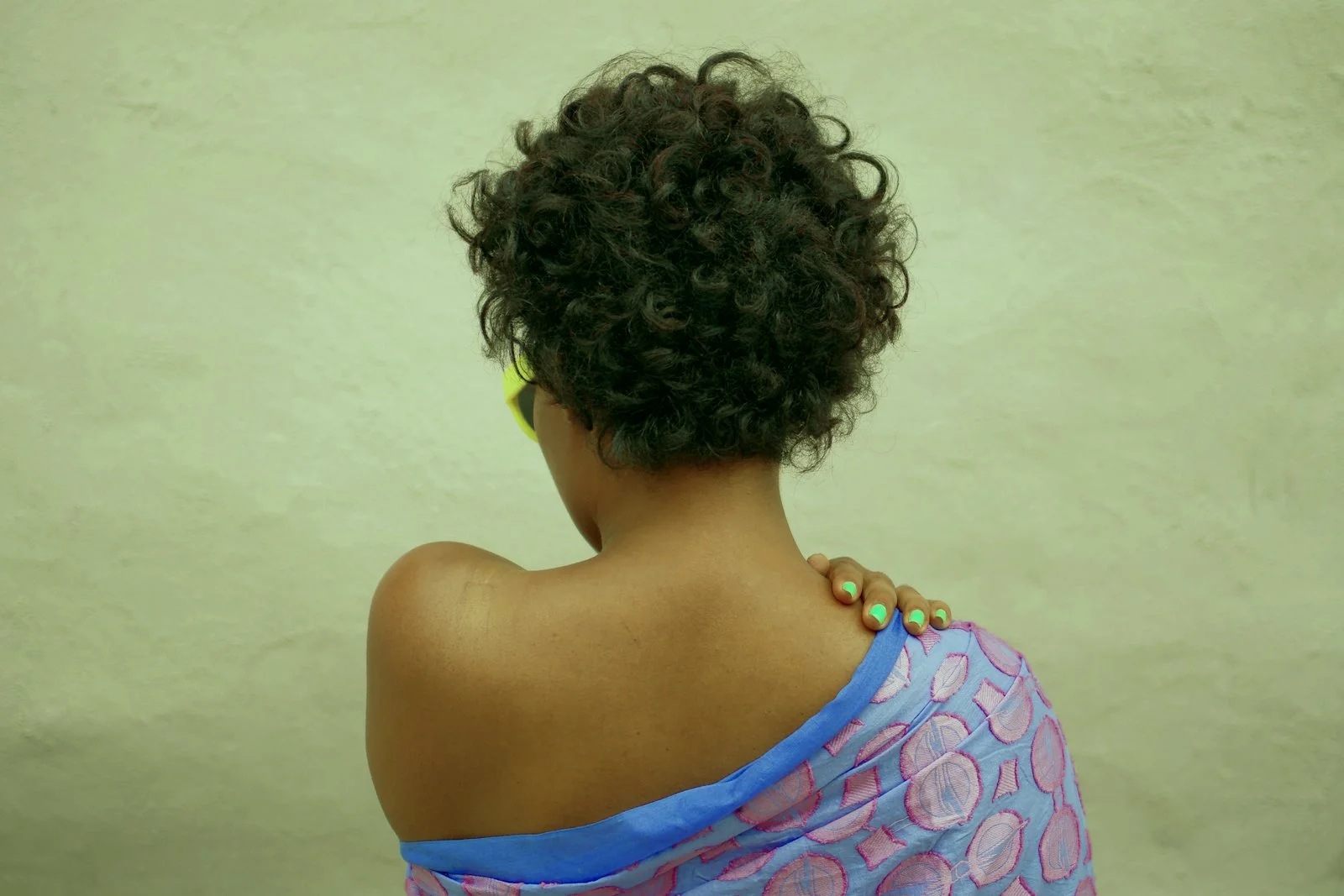
Excerpt:
KA: Sometimes I ask this question to other people. Do you consider…How do you feel about the phrase black artists? Not to get into the politics of black and white…
NP: I love this question because every time it’s asked of me I feel differently about it. Sometimes when I'm asked that question I feel like.. well I am Black. I am an Artist. So I’m a black artist, sure. Other times I feel like well I’m a mother and I'm black, but I don’t call myself a black mother. You know? My parenting and my love for my daughter and me being a mom to her - I don't feel that that is so informed by me being black. When I think about it in those terms I feel like, well I'm an artist and I’m not a black artist.
KA: Does it feel like it is sort of a maligning of.. or reducing?
NP: No, I think sometimes the label is used in a reductive way. So I think that that is the resistance that many artists have towards it. It’s seen as you're put in a subcategory now, and now we’re going to view your work in this lens. In the black culture now you have to deal with that lens. It’s a moral lens and it’s an aesthetic lens. I don't care for other peoples lenses on my work. So, that’s the part I have a resistance to. My work is very racial... it can be racially political. It’s definitely dealing with issues pertaining to myself as a woman, as a black woman, as a Haitian woman. I definitely deal with those things that’s why I always feel different every time someone asks me that question.
Photos by Kwesi Abbensetts. Brooklyn, NY 2014. Wrap & Sunnies provided by Kwesi. Sandals by H&M